EMI vs Total Interest
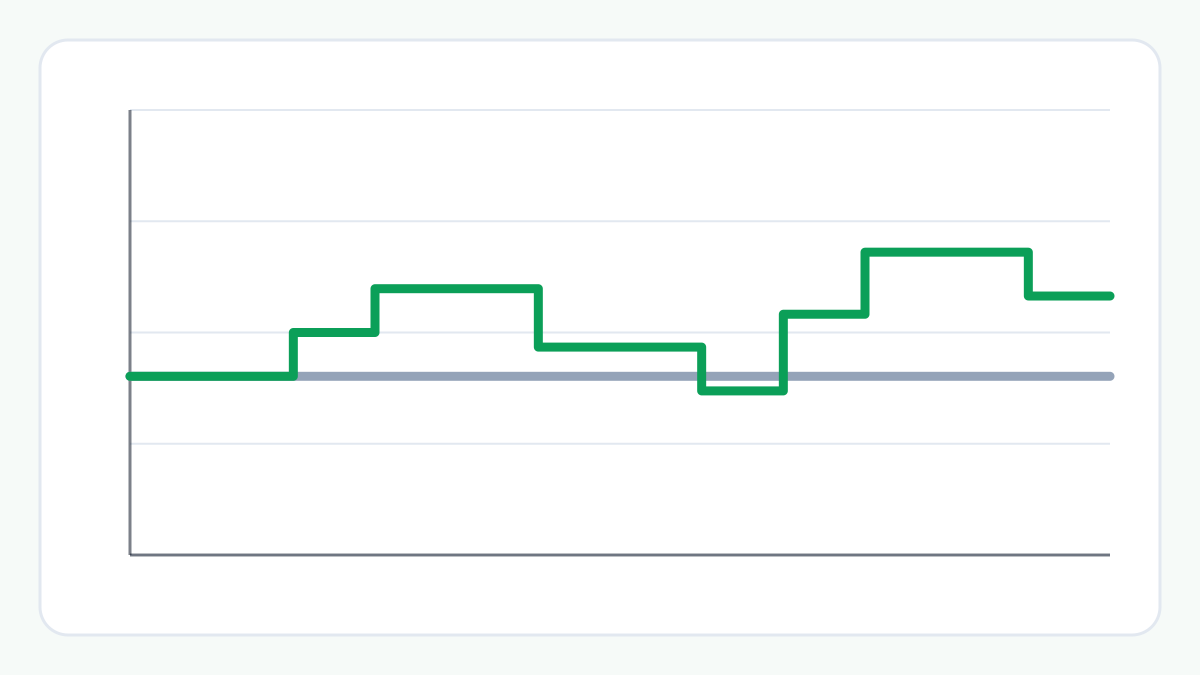
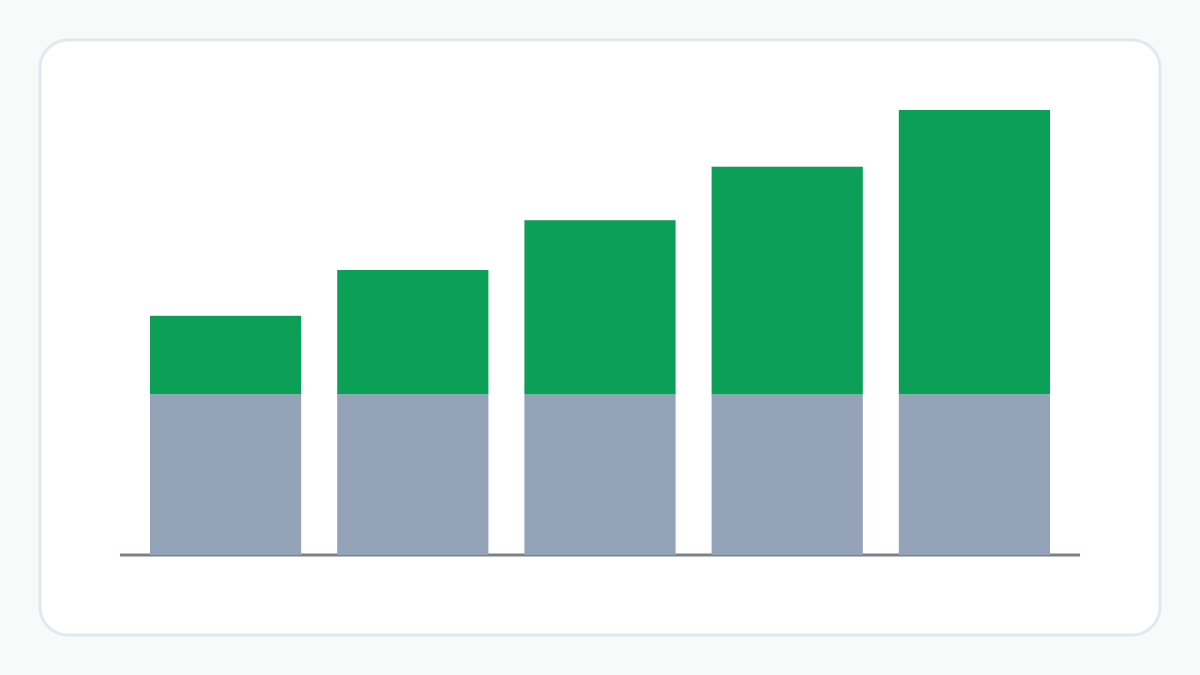
EMI and total interest are two different ways of looking at a loan. EMI tells you how much you need to pay each month, while total interest helps you understand the additional cost of borrowing over the full loan tenure.
Looking at only the monthly EMI can make it difficult to compare loans accurately. A complete comparison should consider the interest rate, loan amount, tenure, EMI and total repayment.
1. What Is EMI?
EMI stands for Equated Monthly Instalment. It is the regular amount paid by a borrower toward a loan. An EMI generally includes both a portion of the principal and the interest charged by the lender.
The EMI depends on factors such as the loan amount, interest rate and repayment tenure. Changing any of these factors can change the monthly payment.
2. What Is Total Interest?
Total interest is the overall interest paid over the loan tenure. It represents the borrowing cost in addition to the original principal amount.
For example, if a borrower takes a loan and repays a total amount that is higher than the original principal, the difference includes the interest and any applicable charges.
3. Why a Lower EMI Can Cost More
A lower EMI may appear attractive because it reduces the monthly payment. However, the lower payment may result from a longer repayment tenure.
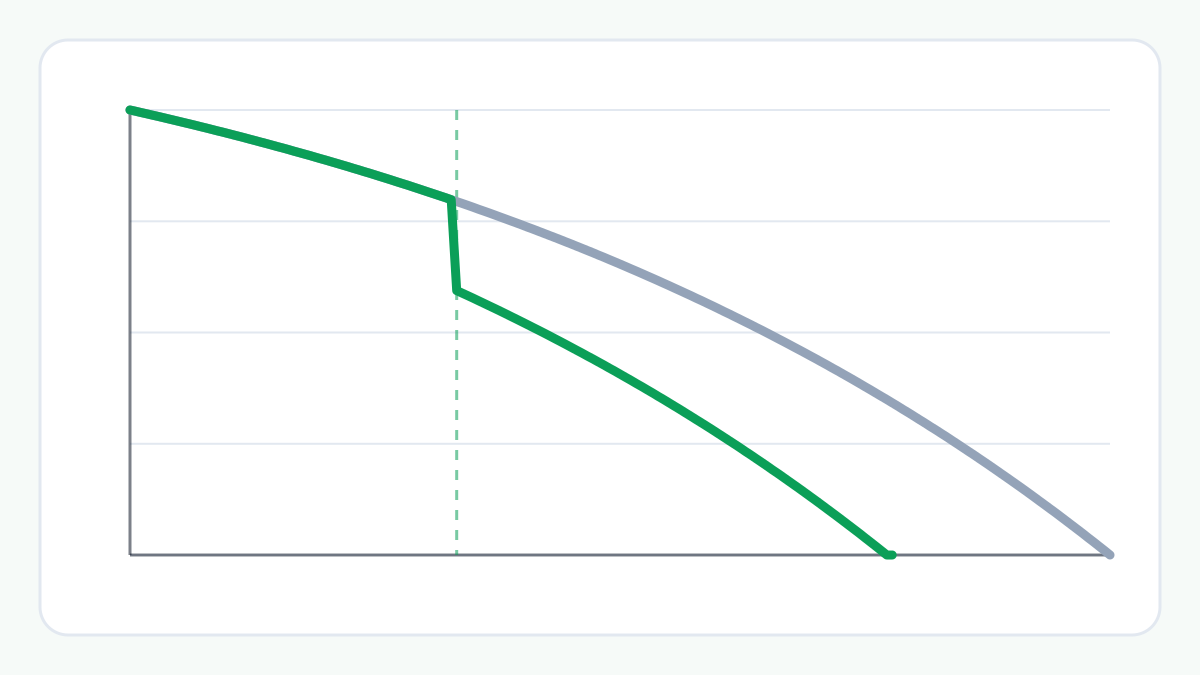
When a loan remains outstanding for a longer period, interest may accumulate for more months. As a result, the total interest paid can be significantly higher even though the monthly EMI is lower.
4. What Should You Compare?
When comparing two loans, look at more than just the EMI. Compare the interest rate, loan tenure, total interest, total repayment and applicable fees or charges.
A loan with a slightly higher EMI may have a shorter tenure and substantially lower total interest. On the other hand, a lower EMI may provide more monthly flexibility but could result in a higher overall borrowing cost.
5. Use a Loan Comparison Calculator
A loan comparison calculator can make it easier to compare different loan scenarios. You can enter the loan amount, interest rate and tenure for two options and compare their estimated EMI and total interest.
This allows you to look at the complete repayment picture instead of making a decision based only on the monthly payment.
Example: Lower EMI vs Lower Total Interest
Suppose two loans have the same principal amount but different repayment tenures. Loan A has a shorter tenure and a higher EMI, while Loan B has a longer tenure and a lower EMI.
Loan B may be easier to manage every month, but the longer tenure can result in more interest being paid over time. Comparing total interest alongside EMI helps reveal this difference.
The Bigger Picture
Choosing a loan is not simply about finding the lowest monthly EMI. The overall cost depends on the interest rate, tenure, principal and repayment structure. Comparing these factors together can help you understand the financial impact of different loan options.
Things to Consider
- Do not compare loans using EMI alone.
- Check the total interest payable over the full tenure.
- Consider how the loan tenure affects your total repayment.
- Compare applicable processing fees and other charges.
- Choose a repayment amount that fits comfortably within your budget.
Compare Your Loan Options
Compare EMI, interest rate, total interest and total repayment to understand the overall cost of different loan options.
Frequently Asked Questions
Is a lower EMI always better?
No. A lower EMI can result from a longer loan tenure, which may increase the total interest paid over the life of the loan.
What is more important, EMI or total interest?
Both are useful. EMI helps you understand the monthly payment, while total interest helps you understand the overall borrowing cost.
Can a higher EMI result in a cheaper loan?
Yes. A higher EMI may be associated with a shorter tenure, which can reduce the total interest paid.
What should I compare when choosing between two loans?
Consider the interest rate, EMI, tenure, total interest, total repayment and applicable fees or charges.
Related Articles
Explore more practical guides from ToolZen Hub.