Is a Loan Balance Transfer Worth It? Use Break-Even to Decide
Learn how the charges, the time left and the new tenure decide whether moving your loan to a lower rate pays off, with worked break-even examples.
See whether moving your loan to a lower rate pays off after the charges, and when you earn them back.
Enter your running loan, the new lender's offer and the charges you were quoted. Results update as you type.
A lower rate does not always mean a cheaper loan. Three things decide it, and the calculator shows each of them.
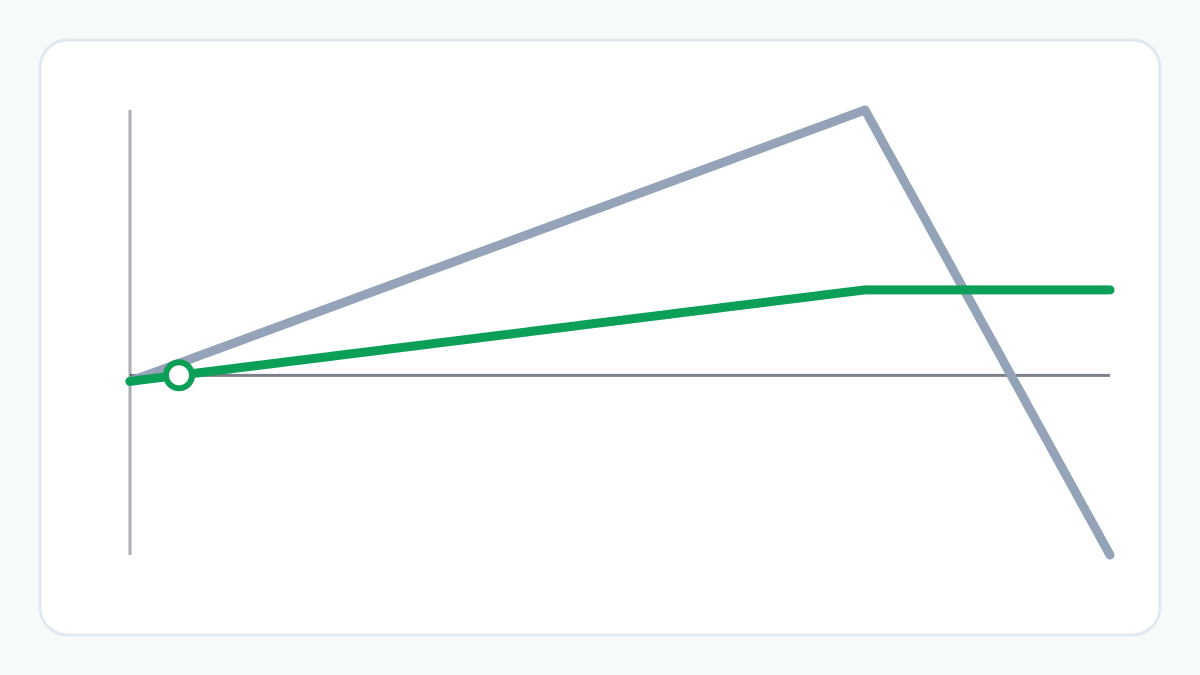
The charges. They are paid up front, so you start behind. The switch only pays off once the lower payments have earned them back. That point is the break-even.
The time left. The fewer years remain, the less interest there is to save, so the same charges take longer to earn back.
The new tenure. If the new loan runs longer, the EMI falls partly because you pay for more months. That can lower your payment and still raise the total cost, so the calculator also compares the offer over your current remaining tenure.
These figures are estimates for understanding, not financial advice, and the calculator does not recommend switching lenders. See the disclaimer.
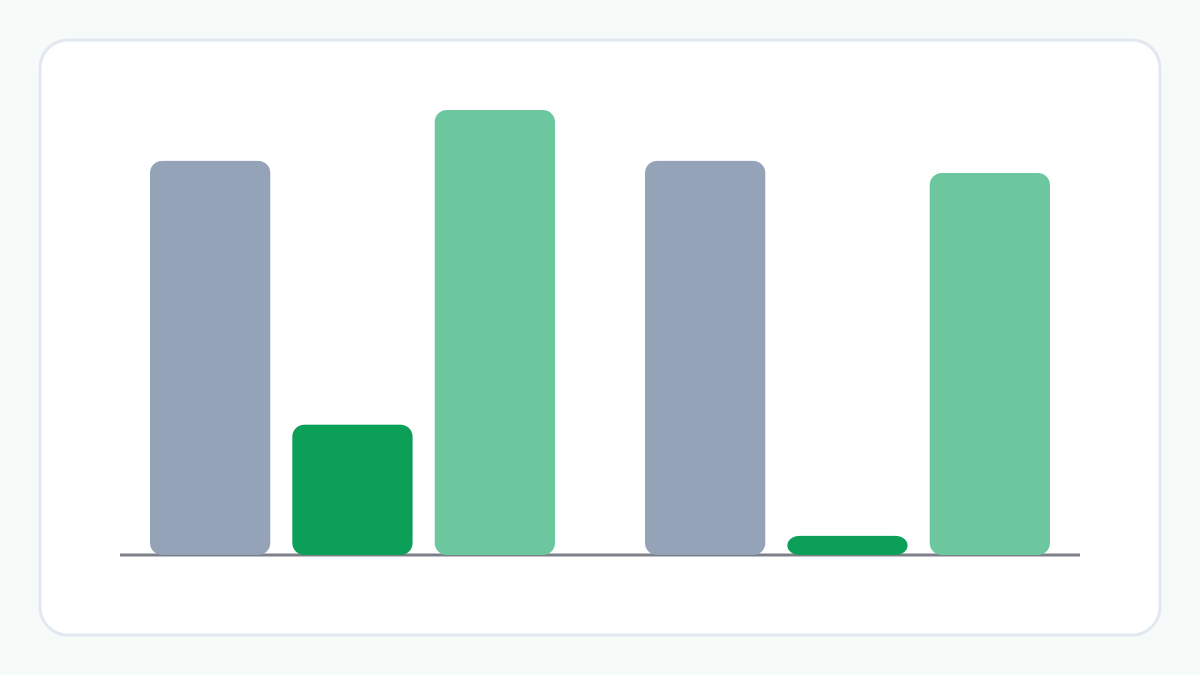
Take a loan with ₹25,00,000 outstanding, 9.5% interest and 15 years left, so the EMI is about ₹26,106. A new lender offers 8.5% for the same 15 years with ₹15,000 of charges. The EMI falls to about ₹24,618, the charges are earned back by month 11, and over the whole loan switching may save about ₹2,52,683. If the same offer ran for 20 years instead, the EMI would fall further, to about ₹21,696, but you would pay interest for five more years and switching would cost about ₹5,22,928 more overall.
Each loan's EMI uses the standard formula:
EMI = P × r × (1 + r)n ÷ ((1 + r)n − 1)
P is the balance, r is the monthly interest rate and n is the number of months. What you would pay on the current loan is its EMI times its months. What you would pay on the new loan is its EMI times its months, plus the charges. The difference is the saving or loss.
Your position after a month is what the current loan would have cost so far, minus what the new loan has cost so far, minus the charges. It starts at minus the charges. The break-even is the first month it is back at zero or above. The break-even rate is the new rate at which the overall saving is exactly zero.
Whatever you would pay to make the switch: what your current lender asks to close the loan early, and the new lender's processing, legal and valuation fees and taxes. Enter the amounts you were quoted, or 0 for any that do not apply. The calculator does not know any lender's rules.
If the new loan runs longer, you pay interest for more months. The monthly payment falls, but the extra months and the charges can add up to more than the lower rate saves. The comparison over your current remaining tenure shows what the rate alone would do.
It is the first month in which the payments you have saved add up to at least the charges you paid up front. Before it you are behind; after it you are ahead, as long as the new loan stays cheaper.
Lenders can differ in when a payment is posted, how often interest is calculated, rounding, fees and their own rules. This calculator uses a standard monthly model, so treat the result as an estimate.