What Is Loan Prepayment?
Understand how loan prepayment works and how paying down your principal can potentially reduce interest.
See how much interest and time a one-time prepayment could save on your loan, and what it does to your EMI.
Enter what you owe today and the lump sum you are thinking of paying. Results update as you type.
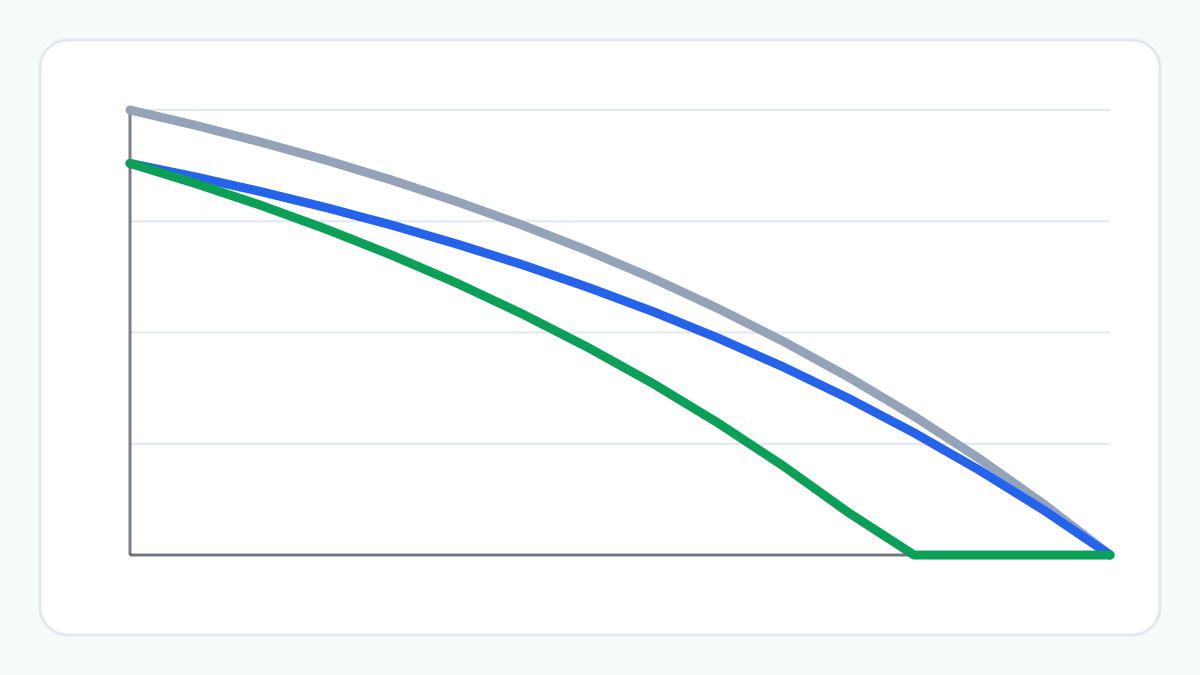
A prepayment lowers the amount you owe. What it changes next depends on what happens to the EMI, so the calculator shows both outcomes side by side.
Keep your EMI. You keep paying the same EMI. With less left to repay, the loan ends sooner and you pay less interest in total.
Lower your EMI. The loan still ends on the same date, so the EMI is worked out again on the smaller balance. Your monthly payment falls and you also pay less interest, though not as much as when you keep the EMI.
Which of these a lender offers, and how, depends on the loan terms.
These figures are estimates for understanding, not financial advice. See the disclaimer.
Take a loan with ₹25,00,000 outstanding, an interest rate of 8.5% and 15 years left. The EMI works out to about ₹24,618. A one-time prepayment of ₹3,00,000 made right away would, if you keep the EMI, end the loan in 11 years 11 months (3 years 1 month sooner) and save about ₹6,35,199 in interest. If you lower the EMI instead, the loan would still end in 15 years, the EMI would fall to about ₹21,664 and the interest saved would be about ₹2,31,759.
The EMI uses the standard formula:
EMI = P × r × (1 + r)n ÷ ((1 + r)n − 1)
P is the balance, r is the monthly interest rate and n is the number of months left. The prepayment lowers the balance by its amount. If you keep the EMI, the calculator steps through the loan month by month until the balance reaches zero. If you lower the EMI, it applies the same formula to the new balance and the months left.
Interest is charged on the balance you still owe. Paying part of that balance early means less is left to charge interest on for the rest of the loan.
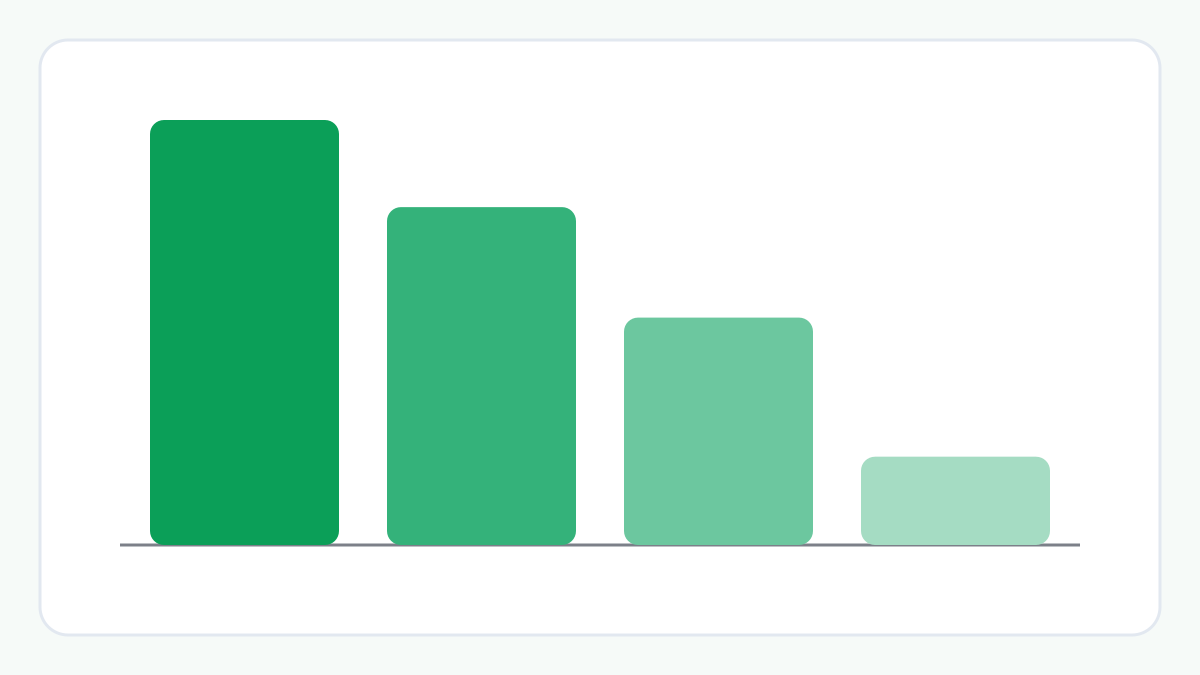
Keeping the EMI ends the loan sooner. Lowering the EMI keeps the end date and reduces what you pay each month. Both reduce the interest, and keeping the EMI reduces it by more.
No. Charges depend on your lender and loan terms, so they are not included. Check your loan agreement and subtract any charge from the interest saved.
Lenders can differ in when a payment is posted, how often interest is calculated, rounding and their own rules. This calculator uses a standard monthly model, so treat the result as an estimate.