How Much Does Compounding Frequency Change an FD's Maturity?
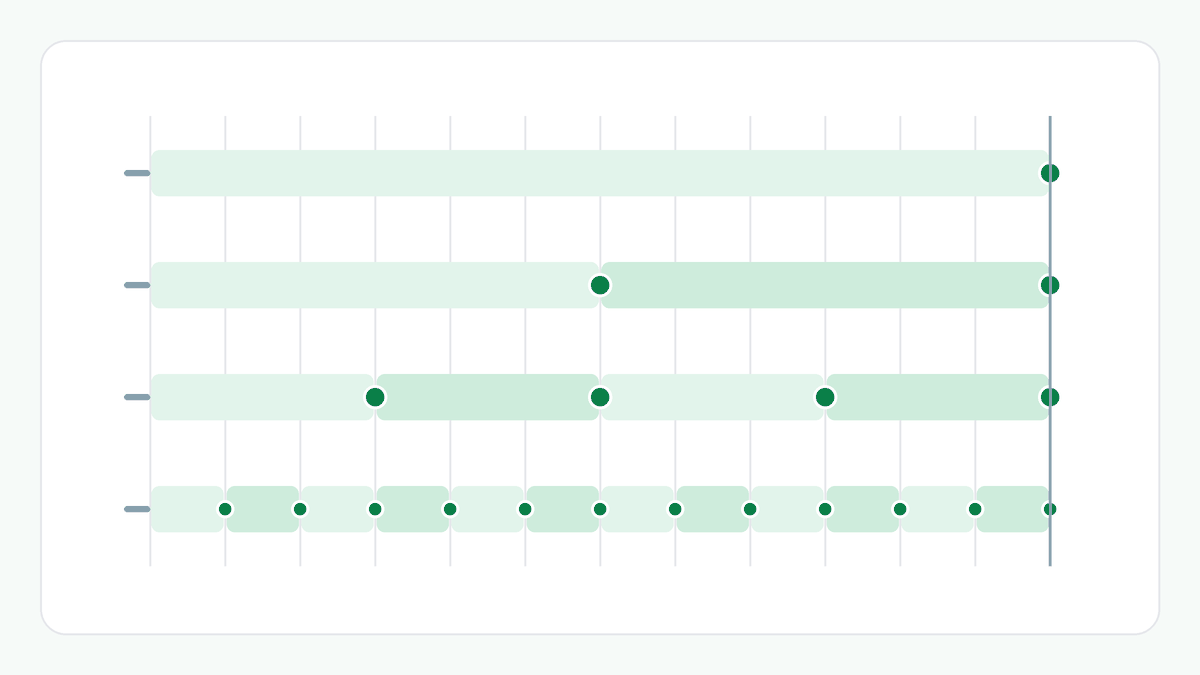
Take one fixed deposit and change only how often interest is added, to see what monthly, quarterly, half-yearly and yearly compounding do to the maturity and the effective annual yield.
Work out what a fixed deposit matures to for a rate and tenure you enter, see its effective annual yield, and compare two offers side by side.
Enter the deposit and the quote you were given. Results update as you type.
The maturity amount is the deposit plus the interest added over the tenure, with interest earning interest at the compounding you chose.
The effective annual yield is what one year grows to under that compounding. It is different from the quoted rate, which is the yearly rate before compounding, and it is not the growth over the whole tenure or the CAGR of another investment.
The total growth is the interest as a share of the deposit over the whole tenure. It is not a yearly figure.
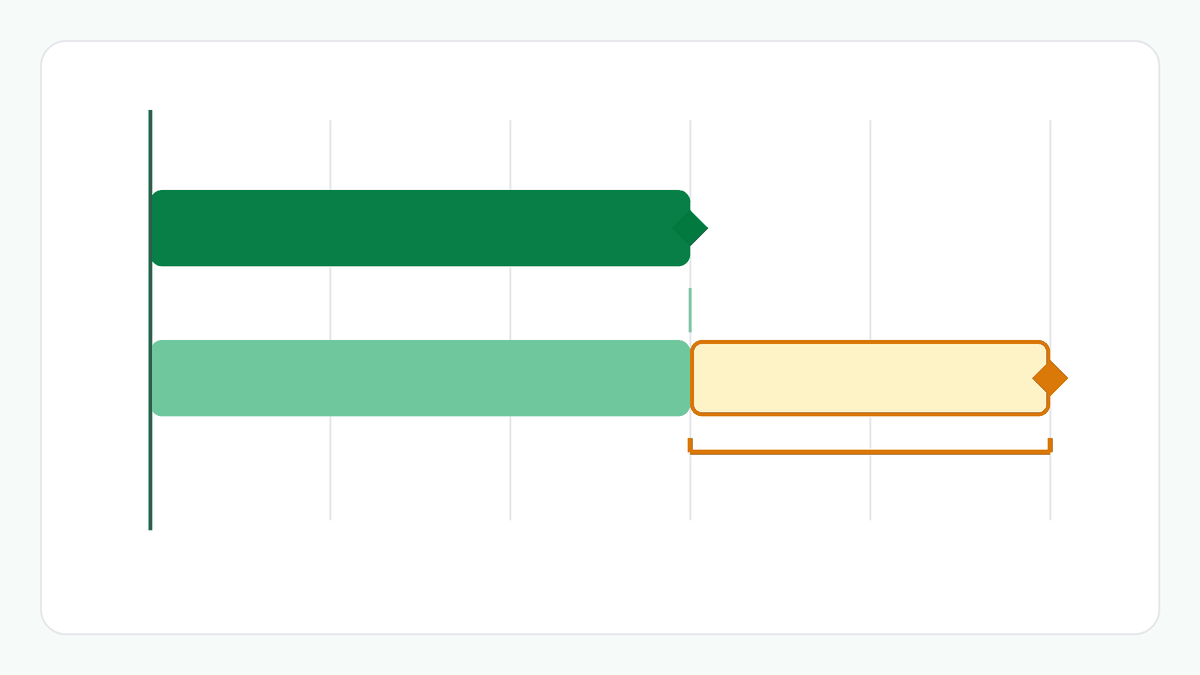
Comparing two offers. Both use the same deposit and the same compounding. When the tenures differ, the maturity amounts are not like-for-like, because the money is deposited for different lengths of time: read the effective annual yields together with the tenures.
This is arithmetic on the numbers you enter, not a bank's quote or advice. See the disclaimer.
Take ₹1,00,000.00 at a quoted 7% a year for 5 years, with interest added quarterly. It matures to ₹1,41,477.82, which is ₹41,477.82 of interest and an effective annual yield of 7.19%. With yearly compounding the same deposit matures to ₹1,40,255.17. Now compare 7.1% for 3 years (Option A) with 6.8% for 5 years (Option B), both quarterly: A matures to ₹1,23,507.50 and B to ₹1,40,093.85. B's amount is larger because it runs 2 years longer, while its effective annual yield (6.98%) is lower than A's (7.29%).
Rate for one period i = yearly rate ÷ 100 ÷ periods a year.
Maturity = deposit × (1 + i)ᵏ × (1 + i × q ÷ L), where k is the number of whole compounding periods in the tenure, q is the months left over and L is the months in one period. With no months left over this is plain compound interest.
Effective annual yield = (1 + i)ᵐ − 1, where m is the periods in a year. Total growth = (maturity − deposit) ÷ deposit.
It is what one year grows to when the quoted rate is compounded the way you chose. With yearly compounding it equals the quoted rate; the more often interest is added, the slightly higher it is.
Not necessarily. Banks use their own compounding dates, day-count conventions, rounding and treatment of a broken period, and products differ. This calculator shows the numbers you enter under the assumptions it states.
If one deposit runs longer, its maturity is larger partly because the money stays in for longer. The effective annual yield and the tenure, read together, show more than the maturity alone. This calculator does not rank offers.
Option B uses the same deposit amount and the same compounding as Option A. Only the rate and, if you enter one, the tenure differ.
No. Tax on interest, TDS, premature withdrawal and payout options are not included.